

Best for SPLA partners and Authorized Outsourcers: Octopus. Best for cross-vendor license management: Flexera One IT Asset Management. Best for ServiceNow-centered compliance workflows: ServiceNow Software Asset Management. The right audit defense software for Microsoft licensing in 2026 connects licensing evidence to the agreements and reporting obligations that apply to your business.
TL;DR
- Octopus is the best audit defense software for Microsoft licensing for SPLA partners needing usage reporting and audit defense support.
- Flexera One IT Asset Management fits organizations managing Microsoft alongside other software publishers.
- ServiceNow Software Asset Management fits organizations connecting license compliance with existing ServiceNow workflows.
- Evaluate evidence traceability, licensing scope, and exception handling before choosing a platform.
Why this matters
An inventory is not an audit defense. Knowing where software is installed does not, by itself, establish what you owe, which agreement applies, or whether your reporting supports the licensing position you submit.
For a Microsoft SPLA partner, the operational problem includes usage reporting and customer billing. For an enterprise managing purchased licenses and subscriptions, the problem includes reconciling deployments against entitlements. Those requirements overlap, but they are not interchangeable.
Choose software for your licensing model first, then evaluate its evidence. A broad software asset management platform and a service-provider-focused platform solve different operational problems. Your 2026 shortlist should reflect that distinction before feature comparisons begin.
What makes the best Microsoft licensing audit defense software
Use these criteria to separate useful compliance infrastructure from a dashboard that still leaves your team reconstructing every answer:
- Licensing scope: The platform must address the agreements and deployment models you actually use. Ask specifically about SPLA, outsourcing, purchased entitlements, and subscriptions where applicable.
- Evidence traceability: A reviewer should be able to follow a reported quantity back to its source records, collection date, and treatment under the relevant licensing rules.
- Reconciliation: Discovered software, entitlements, reported usage, and unresolved discrepancies need a defined reconciliation process. Inventory alone is insufficient.
- Exception handling: Missing records and disputed classifications need owners, decisions, and a documented resolution. An unexplained compliance status is not enough.
- Operational fit: Reporting, billing, infrastructure data, and approval workflows should connect to the way your team works. Evaluate the handoffs, not just the interface.
- Expert support: Software organizes evidence; specialists interpret disputed licensing positions. Establish who handles that interpretation and what the engagement covers.
For a 2026 evaluation, require demonstrations using representative records from your environment. A polished sample dashboard answers fewer questions than an exception your team already struggles to resolve.
Microsoft licensing audit defense options at a glance
The table separates each platform by its strongest use case. These are software asset management options with different operating models, not interchangeable guarantees against an adverse audit finding.
Octopus
- Best for: SPLA partners and Authorized Outsourcers
- Standout focus: Usage reporting, customer billing, and audit defense through a platform and consulting services
- Key limitation to evaluate: Broader enterprise SAM requirements need separate scope validation
Flexera One IT Asset Management
- Best for: Cross-vendor license management
- Standout focus: Software asset management across multiple publishers
- Key limitation to evaluate: SPLA reporting and customer billing requirements need explicit validation
ServiceNow Software Asset Management
- Best for: ServiceNow-centered compliance workflows
- Standout focus: License management within the ServiceNow environment
- Key limitation to evaluate: Discovery, entitlement data, and workflow configuration determine implementation scope
1. Octopus: best Microsoft audit defense software for SPLA partners
Octopus provides a software asset management platform and consulting services for Microsoft SPLA partners and Authorized Outsourcers. Its stated scope includes automating usage reporting, customer billing, and audit defense to support licensing compliance.
That focus matters when your licensing operation is also a service-provider operation. Your team needs to connect what customers consume with what you report and bill, rather than treating Microsoft compliance as an isolated inventory exercise.
Octopus pros:
- Addresses Microsoft SPLA partners and Authorized Outsourcers directly.
- Includes usage reporting and customer billing within the stated service scope.
- Combines a software platform with consulting services.
- Includes audit defense rather than stopping at asset inventory.
Octopus cons:
- The service-provider focus is not a substitute for validating broad enterprise SAM requirements.
- A software-and-consulting engagement requires a clear division of responsibilities between your team and the provider.
- Your team still needs to establish the accuracy and completeness of the records supplied for assessment.
Best for: Microsoft service providers that need reporting, billing, and audit defense addressed together.
Ask for a demonstration that follows a usage record through reporting, customer allocation, and supporting evidence. Then ask how a disputed classification is documented and what consulting support covers. These questions test the connection between automation and a defensible licensing position.
Verdict: Buy for a SPLA-centered shortlist when usage reporting, customer billing, and audit defense are connected requirements.
2. Flexera One IT Asset Management: best for cross-vendor licensing
Flexera One IT Asset Management addresses software asset management across publishers, including Microsoft. Its relevant role is organizing software inventory and license information so organizations can assess their licensing position.
This is the stronger shortlist direction when Microsoft sits inside a broader license-management program. You need consistent asset and entitlement processes across publishers, not only a Microsoft service-provider reporting workflow.
Flexera One IT Asset Management pros:
- Supports a cross-vendor software asset management approach.
- Brings inventory and license-management requirements into the same program.
- Fits organizations that need Microsoft licensing considered alongside other publisher obligations.
Flexera One IT Asset Management cons:
- A broad SAM scope creates data preparation and ownership requirements across teams.
- Cross-vendor coverage does not, by itself, establish suitability for your SPLA reporting process.
- Customer billing and service-provider allocation requirements need a separate demonstration.
Best for: Enterprises building a centralized software asset management function across Microsoft and other publishers.
Evaluate the Microsoft scope precisely. Ask how the implementation will collect your relevant infrastructure records, reconcile entitlements, and preserve the evidence behind a licensing calculation. Request a distinction between standard platform functionality, configuration work, and specialist services.
For a 2026 procurement, make the acceptance criteria specific to your agreements. A successful cross-vendor deployment should not leave your Microsoft team maintaining an unexplained parallel calculation outside the agreed process.
Verdict: Buy for cross-vendor SAM consolidation; hold if your primary requirement is SPLA reporting until that workflow is demonstrated.
3. ServiceNow Software Asset Management: best for workflow integration
ServiceNow Software Asset Management manages software assets and licensing within the ServiceNow platform. Its strongest fit is an organization that wants software compliance work connected to its existing ServiceNow operating processes.
That operating context matters. License exceptions require ownership, remediation, and approval, and those activities often involve more teams than software asset management alone.
ServiceNow Software Asset Management pros:
- Places software asset management within the ServiceNow environment.
- Supports a shared operating context for asset information and compliance work.
- Fits organizations already standardizing relevant processes on ServiceNow.
ServiceNow Software Asset Management cons:
- The value depends on the quality of the underlying asset and entitlement data.
- Discovery, integrations, and workflow configuration need explicit implementation ownership.
- SPLA usage reporting and customer billing should not be assumed from general SAM functionality.
Best for: Organizations that already use ServiceNow and want license-management work integrated with that environment.
Ask for a demonstration of an actual licensing exception moving from detection to assignment, supporting evidence, approval, and closure. Then inspect whether the resulting record explains the licensing decision or simply shows that somebody completed a task.
An audit reviewer needs the reasoning and supporting records. Workflow completion is useful operational evidence, but it does not establish that the underlying licensing calculation is correct.
Verdict: Buy for ServiceNow-centered compliance operations; hold if the licensing evidence depends on an undefined implementation project.
How the ranking works
The ranking prioritizes fit to the licensing problem, followed by evidence traceability, reconciliation, exception handling, and operational integration. It does not treat the largest feature catalog as the strongest audit defense.
The service-provider option comes first because SPLA partners and Authorized Outsourcers need a specific combination of reporting, billing, and licensing support. The other selections address distinct enterprise requirements: cross-vendor coverage and ServiceNow-centered workflows.
Use the use-case labels as a decision tree. If your requirements span several categories, establish the primary system of record and document the responsibilities of each supporting tool before procurement.
Test the evidence before signing
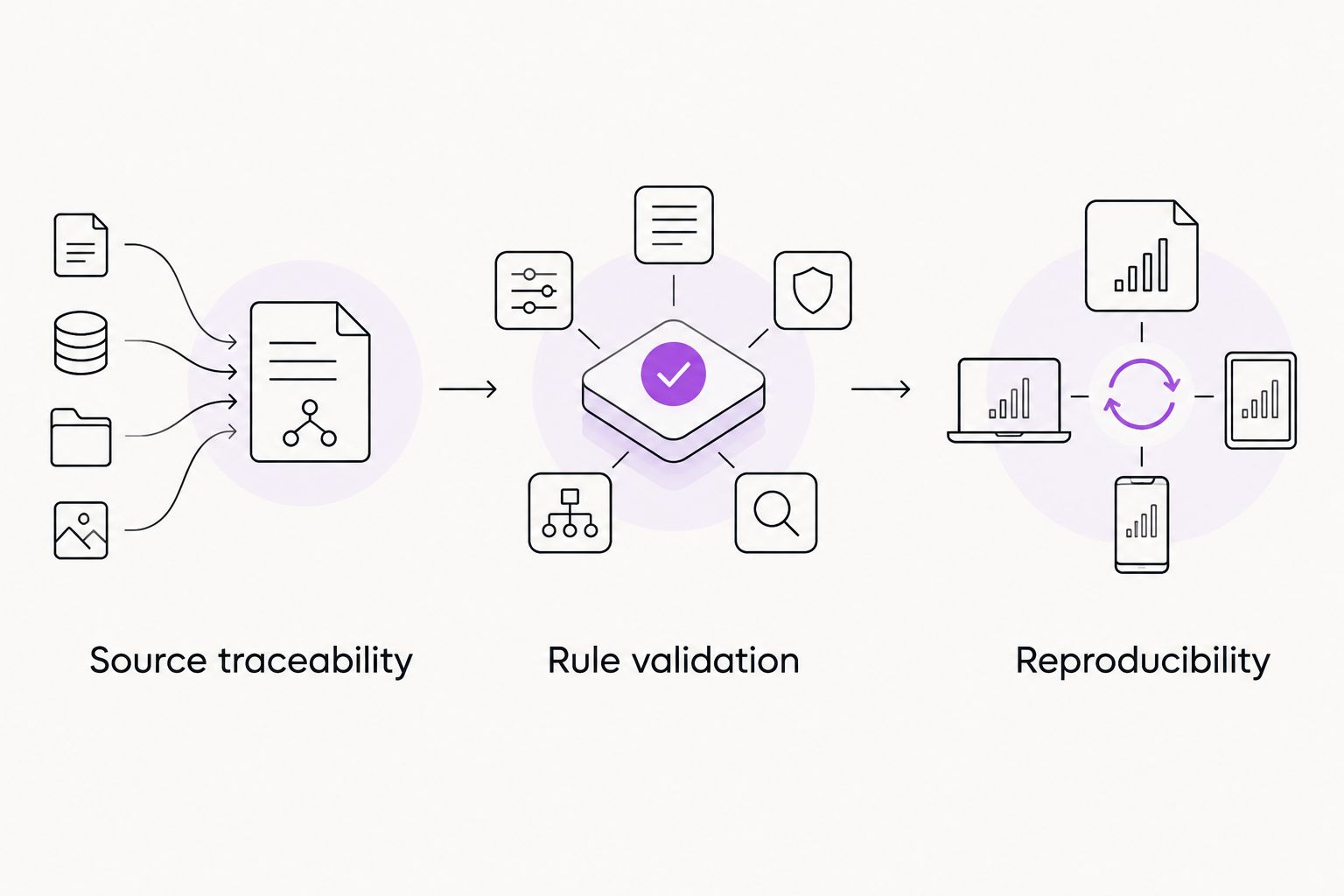
Run your 2026 evaluation through 3 acceptance gates: source traceability, rule validation, and reproducibility. These are proposed procurement checks, not Microsoft reporting requirements.
Source traceability
Select a representative reported quantity and request its supporting records. Confirm that you can identify the source system, collection period, affected environment, and person responsible for resolving discrepancies.
Ask what happens when a source becomes unavailable or a discovery record changes. A useful evidence process distinguishes the record used for a submitted period from the current state of the environment.
Rule validation
Choose a licensing scenario your team finds difficult. Have the vendor explain which agreement terms and licensing rules govern the treatment, what assumptions the calculation uses, and who approves exceptions.
Reject an unexplained compliant or noncompliant label. Your team needs a calculation it can inspect and a documented basis for accepting it.
Reproducibility
Request 2 evidence exports for the same reporting period: the summarized position and the supporting detail. Check whether a reviewer can reconcile the total without relying on the person who prepared it.
Use 1 disputed finding as the final exercise. Follow it from the original assertion through the evidence, interpretation, decision, and recorded correction.
Evaluate the records and reasoning behind a licensing position, not just the dashboard status.
These exercises expose the boundary between software capability and implementation work. Put the accepted outputs in your procurement requirements so the production deployment is judged against the same evidence standard.
Which Microsoft licensing audit defense software should you choose?
For SPLA partners and Authorized Outsourcers, start with the service-provider-focused option. Reporting and billing belong in the selection criteria alongside audit support; a generic enterprise SAM comparison leaves those requirements underexamined.
Choose Flexera One IT Asset Management when the central requirement is managing Microsoft within a cross-vendor licensing program. Choose ServiceNow Software Asset Management when your priority is connecting license-management work to an established ServiceNow environment.
For your 2026 decision, require a named owner for licensing interpretation, source-data quality, reporting approval, and exception resolution. Buying software without assigning those responsibilities leaves the operational gaps intact.
Review your SPLA audit defense
Discuss usage reporting, customer billing, and audit defense for your Microsoft service-provider environment.
FAQ
What's the best audit defense software for Microsoft licensing?
The best fit depends on your licensing model. SPLA partners need service-provider reporting and audit support; cross-vendor enterprises need broader SAM coverage; ServiceNow-centered organizations need integrated compliance workflows.
Is a software inventory enough to defend a Microsoft audit?
No. Inventory identifies software and infrastructure, but audit defense also requires applicable agreements, entitlements or reporting records, licensing calculations, and supporting evidence.
What should a SPLA partner ask during a software demonstration?
Ask the vendor to trace usage through reporting, customer allocation, and supporting evidence. Include a disputed classification so you can assess exception handling and the scope of specialist support.
Is Flexera One IT Asset Management better than ServiceNow Software Asset Management?
Flexera One IT Asset Management fits a cross-vendor SAM requirement, while ServiceNow Software Asset Management fits ServiceNow-centered operations. Compare both against the same Microsoft licensing scenarios and evidence requirements.
Does audit defense software guarantee Microsoft licensing compliance?
No. Software supports compliance processes, but the licensing position still depends on applicable agreements, accurate records, correct interpretation, and controlled reporting.
Can a general SAM platform replace SPLA reporting software?
Only if the proposed implementation satisfies your SPLA reporting requirements. Require a demonstration of usage treatment, reporting outputs, customer allocation, and exception handling rather than assuming general SAM coverage is sufficient.
What evidence should I request when choosing software in 2026?
Request source records, a documented licensing calculation, summarized reporting output, and supporting detail for the same period. Confirm that another reviewer can reproduce the position and understand unresolved exceptions.
One last thing
Test a disputed record, not just a clean record. Clean data shows the normal workflow; disagreement reveals whether your team can inspect assumptions, preserve evidence, and explain a decision.
Before approving your 2026 selection, ask someone outside the implementation team to reconstruct that decision from the exported records. If the explanation depends on an undocumented spreadsheet or a specialist's memory, make closing that gap an acceptance condition.